From Breakthrough to Standard of Care: Inside the Next Phase of Obesity Care with GLP-1s
New oral medications, lower costs and broader Medicare coverage could accelerate GLP-1 adoption, potentially reshaping public health as well as broader economic and social outcomes.
Key Takeaways
Drugmakers are introducing more affordable oral GLP-1s (pills), paving the way for a significant increase in usage.
Medicare will start covering GLP-1 medications for weight loss in mid-2026.
The growing use of obesity drugs is poised to improve public health and benefit specific segments of the health care sector.
Injectable GLP-1 drugs were originally developed to help manage blood sugar levels in people with type 2 diabetes. However, doctors and researchers soon noticed that many patients taking these medications also lost a lot of weight. This unexpected benefit prompted further research and ultimately led to the approval of GLP-1 drugs as effective treatments for obesity.
Now, more affordable oral GLP-1 medications and expanded Medicare coverage are expected to make obesity treatment more accessible in 2026.
This development won’t just affect drugmakers — it will also have impacts on medical device manufacturers (medtech), insurance coverage, consumer behavior and overall public health.
In our view, the main question today isn’t whether GLP-1 medications will transform health care, but how quickly this change will occur and which companies will benefit or face challenges.
Key indicators of this transformation include trends in medtech volumes, such as a decline in bariatric surgeries, shifts in insurers’ policies and early adoption of oral obesity medications.
This article highlights the key developments, their implications and the downstream effects we believe investors can expect in the pharmaceuticals, medtech and broader consumer sectors.
How Oral GLP-1s Are Making Obesity Treatment More Accessible
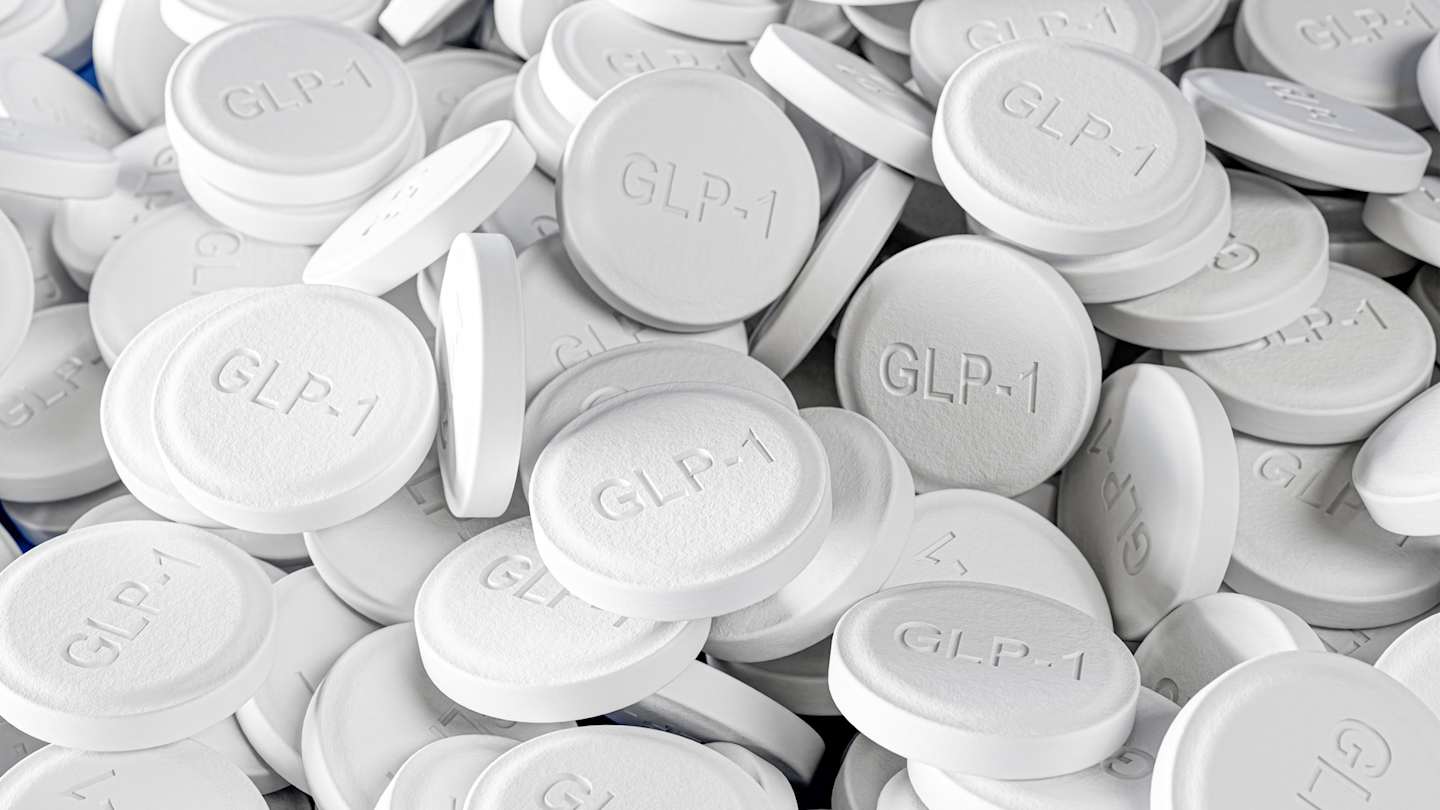
After years of injectable obesity medications dominating the market, oral versions are now starting to be commercially available. For example, Novo Nordisk launched its Wegovy® pill earlier this year, while Eli Lilly’s oral GLP-1, orforglipron (“orfo”), is expected to receive final Food and Drug Administration (FDA) approval in April.
Depending on the formulation and dose, pills may be somewhat less effective than weekly injections but still provide meaningful weight-loss results.
Introducing pills removes significant barriers to GLP-1 adoption, such as cost, needle discomfort, pharmacy logistics and manufacturing supply issues. By overcoming these challenges, we anticipate that oral obesity medications will substantially increase the number of GLP-1 users.
Initial prescription data for oral Wegovy appears promising, surpassing previous obesity drug launches.
Injectable Wegovy costs about $1,349 per month without insurance, while Novo’s Wegovy pill starts at $150 per month, with higher doses costing twice that. Lilly’s orfo will likely be priced similarly.
Why Oral and Injectable GLP-1 Medications Can Both Thrive
Some investors worry that oral GLP-1s may cannibalize the market for injectables. But our view is that both orals and injectables can succeed. That’s because the two formulations seem to target different patient segments.
Oral medications can serve as an entry point for patients who might not want to use injections. Injections generally work a bit better and are often recommended for more serious cases. Because each option serves different needs, we expect both types of GLP-1 treatments to be widely used and successful.
Obesity Drug Insurance Coverage Is Expanding
Despite widespread adoption and recent price reductions, GLP-1 use in the U.S. and globally remains limited compared to the unmet medical need. This is mainly due to limited insurance coverage.
In our recent discussions with Eli Lilly management, they mentioned that only about half of U.S. GLP-1 prescriptions are currently covered by insurance. Since half of prescriptions are paid out of pocket, we believe high costs explain the gap between interest and usage.
However, this is expected to change in the second quarter of this year when Medicare plans to begin covering Lilly’s and Novo’s GLP-1 obesity medications. This change was part of an agreement reached last fall between the Trump administration, Eli Lilly and Novo Nordisk. We are confident in this timing and coverage expansion because we believe the administration is highly motivated to increase GLP-1 access before the midterm elections.
Both companies agreed to sell their GLP-1 medications at significant discounts through the TrumpRx direct-to-consumer platform. However, the platform's impact on overall GLP-1 access might be limited, since prices there are likely still higher than those available through insurance or discount programs. We explored the impact of federal policies on U.S. drug prices late last year.
The broader significance of the TrumpRx deal is that the administration said it would expand Medicare coverage for these drugs for patients with a body mass index (BMI) of 30 or higher, which is considered the cutoff for obesity. Medicare will also extend coverage to individuals who are significantly overweight (those with BMIs of 27–29.9) and have obesity-related conditions.
Medicare currently doesn’t cover GLP-1s for obesity alone, only for specific approved conditions like type 2 diabetes, cardiovascular disease and obstructive sleep apnea.
How Medicare Coverage Could Boost GLP-1 Access
A Congressional Budget Office (CBO) study estimates that out of about 70 million Americans on Medicare, roughly one-third are obese, and nearly 30% have type 2 diabetes.1 These groups are not entirely separate, as there is some overlap. But even in the most conservative scenario, with perfect overlap, roughly 20 million Americans (30% of 70 million) will become eligible for GLP-1 insurance coverage this year.
The CBO research estimates that about one-third of Medicare beneficiaries are overweight, with a BMI between 25 and 29.9. Among these, 16% have type 2 diabetes, and more than 80% of the remaining individuals have other weight-related conditions.
The CBO doesn’t provide further details on BMI data, so we can’t determine exactly how many people fall into the 27–29.9 BMI range. Still, the main point is that tens of millions of Americans are likely to become newly eligible for these drugs.
Furthermore, we believe that commercial insurers are likely to follow Medicare in expanding coverage for obesity drugs. This is because Medicare decisions effectively set the standard for coverage in the insurance industry. As a result, refusing coverage would become increasingly difficult for private insurers, given that Medicare has classified obesity treatment as necessary care.
Evaluating the Broader Benefits of Increased GLP-1 Use
If we’re right that GLP-1 use is about to rise significantly, then we believe it’s logical to expect much stronger downstream effects than those seen so far.
Our analysis, based on several FDA trials and observed GLP-1 effects to date, suggests significant reductions in:
Musculoskeletal interventions
Sleep apnea severity
Cardiometabolic complications
Need for CPAP equipment
Progression to joint replacement surgeries
We expect these effects to accelerate in 2026. This matters because, if it happens, it will demonstrate that obesity medications can help people become healthier overall and may even reduce the need for medical treatments.
If we don’t see these improvements or savings in other areas, then U.S. health insurance companies may be reluctant to provide or keep offering coverage for obesity medications. For these drugs to be worth the high costs, they need to show clear benefits and savings for the wider health care system.
GLP-1 Adoption and Its Impact on Medtech and Pharma
We’ve noted that if many people begin using GLP-1 medications, it could significantly affect companies that produce medical devices and other medicines. However, it’s not as simple as saying that increased GLP-1 use directly reduces the demand for medical devices. The impact will differ from one company to another, based on what each business does and the risks it faces.
For example, let’s look at Dexcom and Insulet, two companies that make continuous glucose monitors (CGMs). Dexcom products are mostly used by people with type 2 diabetes and those at risk of developing it (prediabetes). Insulet focuses more on helping people with type 1 diabetes.
If GLP-1 use jumps, there will likely be fewer people with prediabetes and obesity-related type 2 diabetes. But since type 1 diabetes isn’t connected to obesity, the demand for Insulet products probably won’t change much.
Take West Pharmaceutical Services, for example. This company has a strong business and many positive qualities. However, there’s a challenge as more people switch from injectable to oral GLP-1 medications. Right now, injectables account for 17% of West’s sales and are the main driver of its growth. West doesn’t have any products tied to the new oral medications.
Since we expect more positive news about oral medications throughout the year, the company's stock may face challenges. We'll watch West Pharmaceutical Services closely to see how it performs going forward.
Societal Ripple Effects: Consumption, Productivity and Public Health
A consistent theme throughout our research is that the impact of widespread GLP-1 adoption would likely extend beyond health care. Weight loss could transform daily life for millions of users, leading to changes in:
Food and beverage consumption in both type and quantity
Fitness and wellness spending
Travel, apparel and personal care categories
Even simple steps like living healthier and being more active could significantly impact major consumer markets. We don’t mean to sound overly dramatic. In fact, we’ve emphasized the importance of staying level-headed and thoughtful when considering the broader effects of GLP-1 medications on diabetes-related medical devices and the snack food industry.
The main point is that it’s fairly easy to discuss the transformative potential of the GLP-1 market in the abstract. However, the specific details and downstream effects of widespread GLP-1 adoption are important and can differ considerably across companies. Therefore, we believe active management is especially crucial in this space moving forward.
Navigating a Shifting Health Care and Investment Landscape
As GLP-1 medications become more affordable, covered by more insurance plans and available in easier-to-take pill form, more people in the U.S. are likely to use them long-term. These changes show that GLP-1 treatments are moving from being viewed as a major medical breakthrough to becoming a regular part of everyday health care.
But understanding how these changes affect individual companies, industries and sectors will require nuance. For now, Lilly and Novo remain favored providers of obesity drugs due to their leading brands and manufacturing capacities. Strong prescription momentum and expanding access build a solid fundamental outlook for these companies.
Nevertheless, debates will likely continue about the costs of these medications and their manufacturing locations, which could lead to market fluctuations. Meanwhile, biotech firms keep working on new versions of these drugs, possibly even better ones, increasing competition. We also anticipate that these developments will impact medtech and certain consumer industries in ways that aren’t always immediately clear.
Because these innovations can shake things up, the benefits and risks won’t be the same for everyone. That’s why we think it’s important to pay close attention to these trends and seek expert advice when considering investments in this area.
Authors
Explore Our Global Growth Equity Capabilities
Congressional Budget Office, “How Would Authorizing Medicare to Cover Anti-Obesity Medications Affect the Federal Budget?” October 2024.
The opinions expressed are those of American Century Investments (or the portfolio manager) and are no guarantee of the future performance of any American Century Investments portfolio. This material has been prepared for educational purposes only. It is not intended to provide, and should not be relied upon for, investment, accounting, legal or tax advice.
References to specific securities are for illustrative purposes only and are not intended as recommendations to purchase or sell securities. Opinions and estimates offered constitute our judgment and, along with other portfolio data, are subject to change without notice.
Investment return and principal value of security investments will fluctuate. The value at the time of redemption may be more or less than the original cost. Past performance is no guarantee of future results.
Mutual Funds: American Century Investment Services, Inc., Distributor.
Exchange Traded Funds (ETFs): Foreside Fund Services, LLC – Distributor, not affiliated with American Century Investment Services, Inc.